
What to Look for in a Pre-Purchase Inspection: A Buyer’s Guide
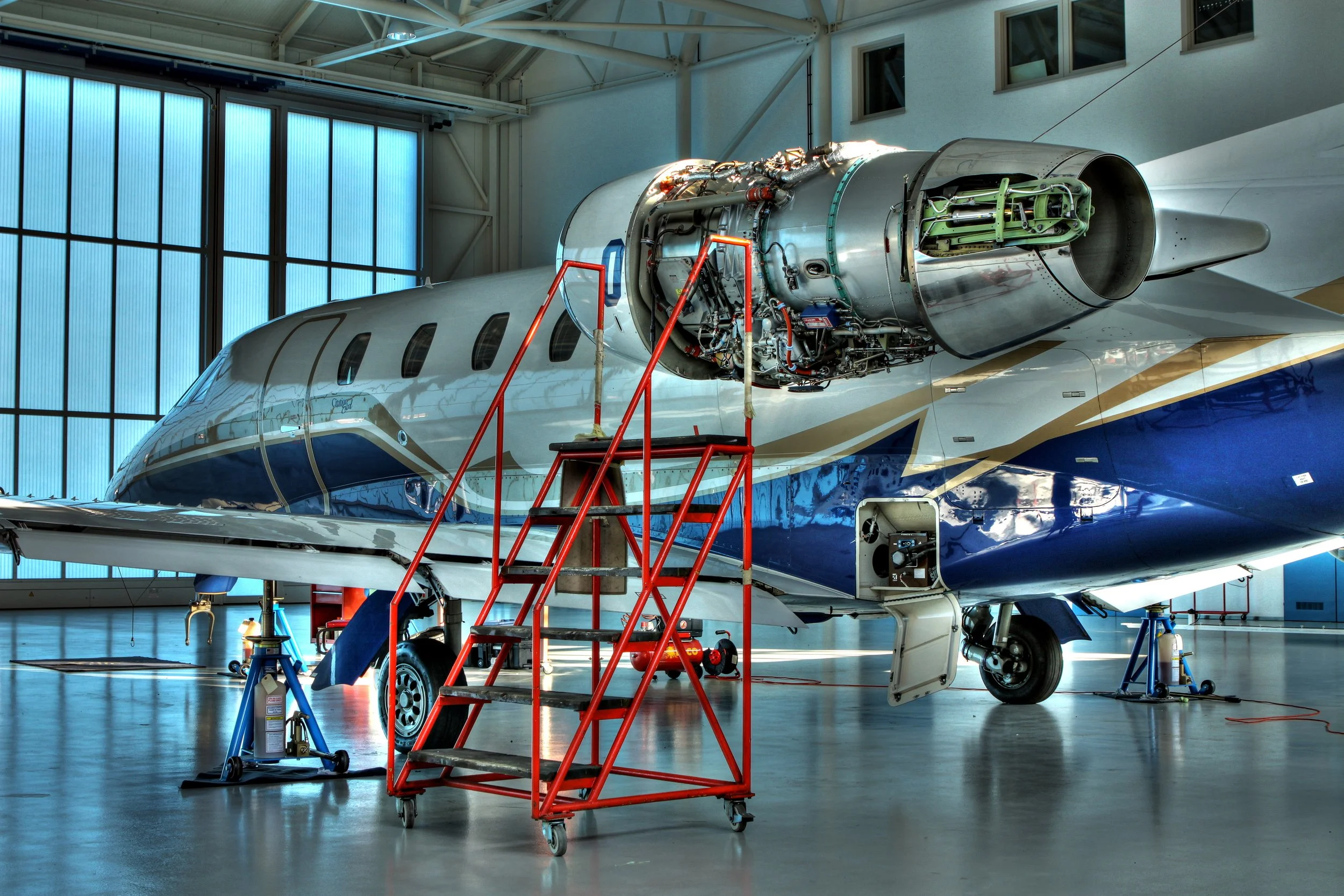
Purchasing an aircraft is one of the most significant investments you’ll make. Whether you’re acquiring a light turboprop or a large-cabin business jet, the pre-purchase inspection (PPI) is your last line of defence before committing capital. It’s the process that separates a confident acquisition from an expensive mistake.
At Howarth Aviation, we’ve guided buyers through dozens of transactions, and we’ve seen first-hand how a thorough PPI protects our clients’ interests. Here’s what you should know before your next acquisition.
Why the PPI Matters More Than You Think
A pre-purchase inspection goes far beyond a routine maintenance check. It’s a comprehensive, independent evaluation of the aircraft’s condition — mechanical, structural, cosmetic, and documentary. The goal is straightforward: verify that the aircraft is what the seller says it is, and identify any issues that could affect value, safety, or future maintenance costs.
Critically, the PPI is your opportunity to uncover discrepancies between the aircraft’s marketing presentation and its actual condition. A glossy brochure and freshly detailed interior can mask underlying issues that only emerge under scrutiny.
Airframe and Structure
The airframe is the backbone of the aircraft. Inspectors will look at fuselage skin condition, corrosion levels, and any evidence of previous damage or repairs. Pay particular attention to pressurisation cycle counts on jets — these affect the structural life limits of the airframe.
Ask for full disclosure of any prior damage history. An aircraft that has undergone a major structural repair may still be perfectly airworthy, but the nature and quality of that repair will affect its market value and insurability.
Engines and APU
Engine condition is often the single largest variable in an aircraft’s value. Your inspection team should review time since new (TSN), time since overhaul (TSO), and cycles on each engine. Borescope inspections are essential — they reveal hot-section deterioration, compressor blade erosion, and combustion chamber condition that can’t be assessed externally.
Don’t overlook the auxiliary power unit (APU). APU overhauls are costly, and an APU approaching its life limit can represent a six-figure liability that should be factored into your offer price.
Avionics and Compliance
Modern avionics suites represent a significant portion of an aircraft’s value, and compliance mandates are tightening globally. Check whether the aircraft meets current ADS-B Out requirements, RVSM certification, and any applicable FANS or CPDLC mandates for the airspace you intend to operate in.
An aircraft with an older avionics suite isn’t necessarily a poor buy, but the cost of upgrading to compliance should be clearly understood and reflected in the purchase price. Avionics upgrades on larger business jets can run into millions of dollars — this is not a line item to estimate loosely.
Records and Documentation
The logbooks tell the aircraft’s story. Complete, unbroken back-to-birth records are the gold standard, and any gaps should be investigated carefully. Review all airworthiness directives (ADs), service bulletins (SBs), and maintenance programme compliance.
Key documents to verify: Certificate of Airworthiness, Certificate of Registration, weight and balance records, equipment list, all AD and SB compliance records, engine trend monitoring data, and the full maintenance programme status.
In cross-border transactions, documentation takes on additional importance. Import and export paperwork, customs declarations, and VAT treatment all need to be in order — particularly in jurisdictions like South Africa where indirect export provisions may apply.
Cosmetic Condition
While cosmetic issues don’t affect airworthiness, they do affect value. Assess the age and condition of the interior — seats, carpets, sidewalls, galley, and lavatory. Check the exterior paint for oxidation, chips, and overall presentation. A fresh interior refurbishment or paint job can add significant value, but equally, the cost of bringing a tired cabin up to standard should be factored into negotiations.
Choosing the Right Facility
The choice of inspection facility matters enormously. Ideally, select a maintenance organisation that is type-rated for the aircraft and independent of the seller. The facility should have recent experience with the specific aircraft model and access to the manufacturer’s inspection criteria and tooling.
Your broker should be able to recommend reputable facilities and help coordinate the logistics — ferrying the aircraft, managing timelines, and ensuring the scope of work is comprehensive.
The Bottom Line
A pre-purchase inspection is not an expense — it’s an investment in certainty. The findings inform your negotiating position, protect you from hidden liabilities, and give you the confidence to close the deal knowing exactly what you’re buying.
At Howarth Aviation, we work alongside our clients through every stage of the acquisition process, including PPI oversight and negotiation support. If you’re considering an aircraft purchase, get in touch — we’re here to make sure you buy right.
Howarth Aviation (Pty) Ltd • www.howarthaviation.com
